🌱 5 Sustainable Packaging Trends for 2026 (What Brands Really Care About)
In 2026, sustainable packaging is no longer just a “nice-to-have.”
It has become a core requirement driven by regulations, cost pressure, and consumer expectations.
If you’re a brand owner, importer, or packaging buyer, understanding these trends will help you reduce costs, stay compliant, and strengthen your brand image.
1. Circular Packaging Is Now the Standard

Today, brands are asking:
“Can this packaging actually be recycled in real systems?”
Instead of focusing only on “eco-friendly materials,” companies now prioritize:
- Mono-material structures (e.g., PE or paper only)
- Easy-to-recycle designs
- Real-world recyclability
What this means for your business:
- Choose packaging that fits existing recycling systems
- Avoid complex multi-layer materials
✅ Pro Tip: Simplified packaging design often reduces both cost and environmental impact.
2. Regulations Are Reshaping Packaging Decisions

Packaging decisions in 2026 are heavily influenced by regulations, especially in the US and EU.
Key drivers include:
- Extended Producer Responsibility (EPR)
- Mandatory recyclability requirements
- Recycled content targets
Brands now prioritize suppliers who can ensure compliance.
What this means for your business:
- Work with suppliers who understand global regulations
- Ensure packaging includes proper environmental labeling
✅ Pro Tip: Compliance is no longer optional—it directly affects supplier selection.
3. Recycled Content Builds Trust

Consumers and buyers are becoming more skeptical of vague claims like “eco-friendly.”
Instead, they look for measurable data:
- 30% PCR (Post-Consumer Recycled)
- 50% recycled content
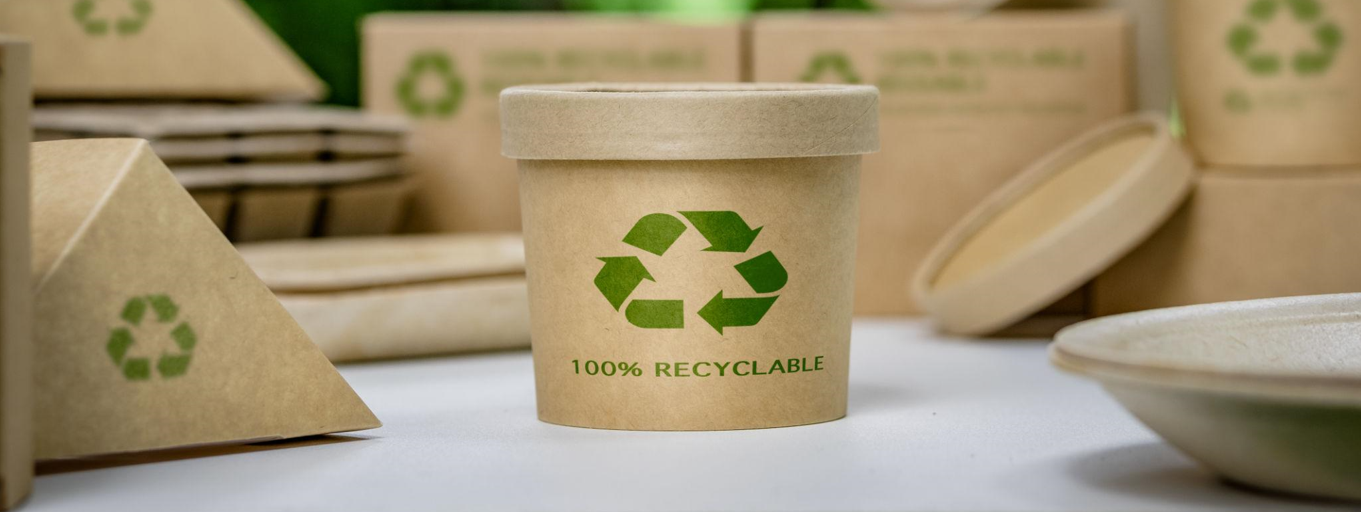
- 100% recyclable materials
What this means for your business:
- Be transparent about materials
- Clearly communicate recycled content
✅ Pro Tip: Printing sustainability claims directly on packaging increases credibility and brand value.
4. The Shift from Plastic to Paper Is Accelerating

More brands are actively replacing plastic packaging with paper-based alternatives.
Why?
- Strong consumer preference for paper
- Easier recyclability
- Increasing plastic restrictions
High-demand packaging types:
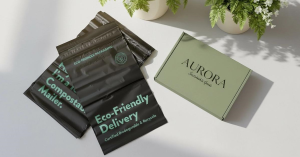
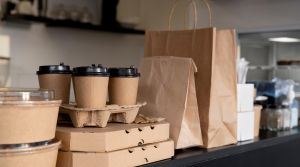
- Kraft paper bags
- Paper mailers
- Paper boxes
- Paper-based flexible packaging
What this means for your business:
- Evaluate where plastic can be replaced
- Offer sustainable alternatives without compromising performance
✅ Pro Tip: Position paper packaging as both eco-friendly and premium.
5. Smart Packaging Design Reduces Cost and Waste

Sustainability is no longer just about materials—it’s also about efficiency.
Leading brands focus on:
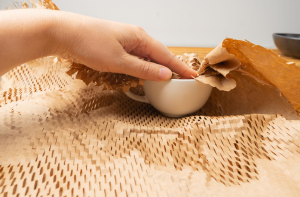
- Right-sized packaging (less empty space)
- Lightweight materials
- Reduced material usage
What this means for your business:
- Optimize packaging structure
- Reduce shipping costs and carbon footprint
✅ Pro Tip: Less packaging often means more savings.
🚀 Final Thoughts: From “Eco-Friendly” to “Performance-Driven Sustainability”
In 2026, sustainable packaging is evolving from a marketing concept to a performance-driven strategy.
Successful brands focus on:
- Compliance (meeting US & EU regulations)
- Measurable sustainability (PCR, recyclability)
- Cost efficiency (less material, optimized design)
- Material innovation (paper replacing plastic)
💼 Looking for a Reliable Packaging Partner?
We help brands and importers:
- Develop recyclable and compliant packaging solutions
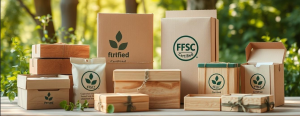
- Offer FSC-certified paper and PCR materials
- Optimize packaging to reduce cost by 15–30%
- Provide custom printing with sustainable branding
👉 Contact us today to get a tailored packaging solution for your brand.